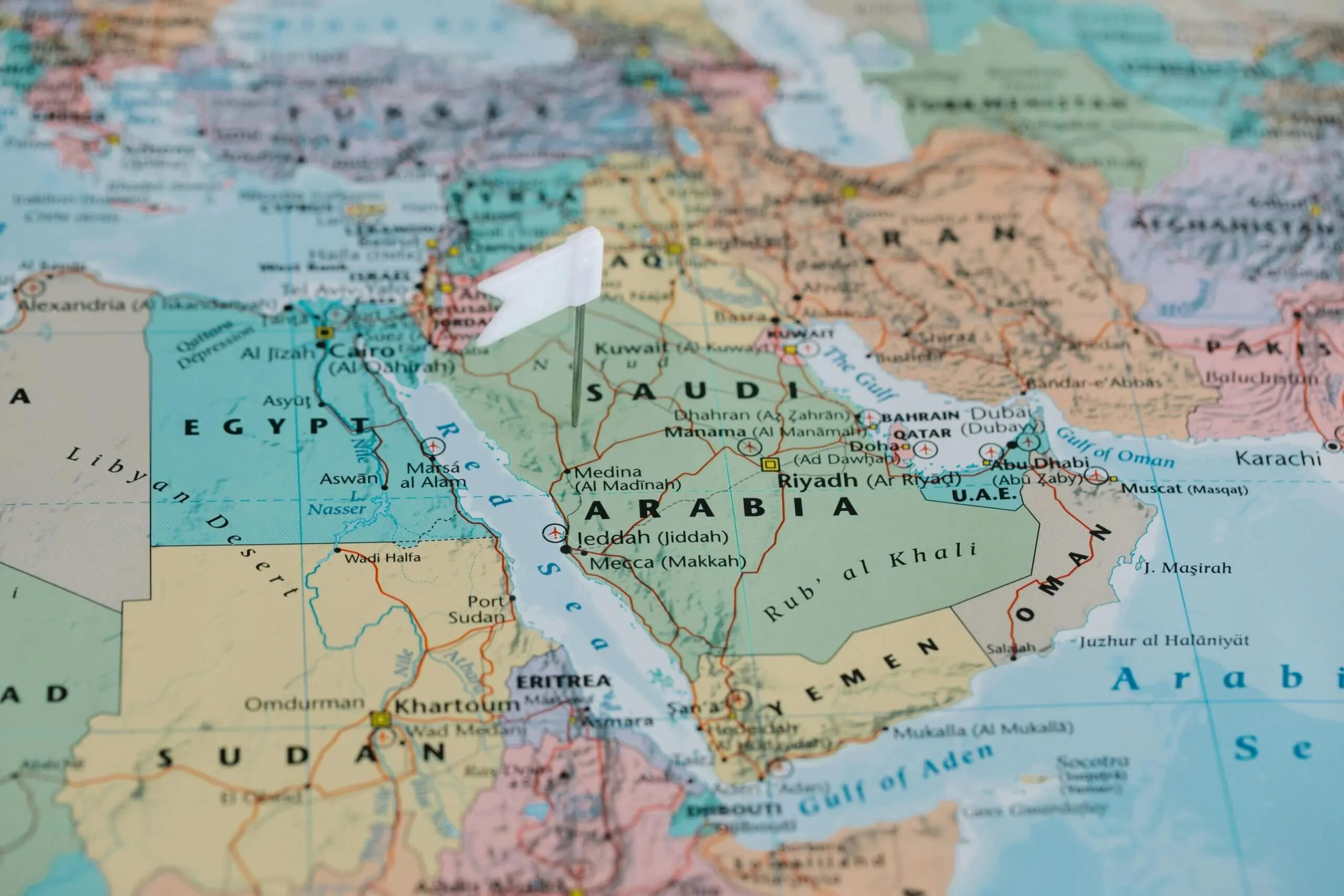
Dual-chokepoint risk: June's Hormuz and Bab el-Mandeb situation, rates, and the exporter playbook
【Major breakthrough · June 15, 2026 update】 According to Seahog shipping citing Iran's Tasnim News Agency's latest report early this morning (June 15), Iranian Deputy Foreign Minister Ghalibaf confirmed that the text of the Iran-US Memorandum of Understanding has been finalized, and the official signing ceremony of the "Islamabad Memorandum" will be held in Switzerland on June 19.
Ghalibaf said that starting from the early hours of June 15, the US maritime blockade of Iran ends, and military operations on fronts including Lebanon will "cease immediately and permanently." He stated that Iran has incorporated "all important positions" into the draft memorandum. This memorandum "does not mean trusting the enemy," and Iran will monitor the US's fulfillment of commitments.
According to the latest Xinhua News Agency report: US President Trump said on social media on June 14 that with the signing of the Iran-US agreement on June 19, the Strait of Hormuz will reopen to facilitate mine-clearing operations. Pakistani Prime Minister Shahbaz posted on social media on June 15 that the United States and Iran have reached a peace agreement, and the formal signing ceremony will be held in Switzerland on June 19.
【June 11, 2026 update】 Iran's Armed Forces Khatam al-Anbiya Central Headquarters announced in the early hours of June 11 local time: The Strait of Hormuz is closed to all vessels effective immediately, including tankers and merchant ships; violators will be targeted. According to Iranian sources, Iran struck US ships in the Strait of Hormuz that day, and dismissed US claims that vessels are passing through the strait. Meanwhile, multiple explosions were reported in southern Iran in the early hours of June 11 (Minab, Sirik, Bandar Abbas, Qeshm Island, Hengam Island). International crude oil surged: as of 07:00 Beijing time June 11, WTI crude futures rose 3.79% to $93.44/barrel. Israeli Defense Minister Katz said on June 10 that Israel's military operations against Iran are "far from over." US President Trump said on June 10 that the US military had "secretly" escorted more than 200 merchant ships through Hormuz, and convened a White House Situation Room meeting to discuss a fresh round of strikes against Iran.
Editor's note (original June 3): On June 1, 2026, the Middle East situation had shown escalation signals. According to Iranian state media (Tasnim) and CMG reporting, Iran's negotiating team announced it would suspend dialogue and the exchange of texts with the United States through intermediaries, stating that "the resistance front and Iran have resolved to completely block the Strait of Hormuz and activate other fronts including the Bab el-Mandeb Strait." Tehran cited Israel's continued military operations against Hezbollah in Lebanon, and the US naval blockade of the Iranian coastline, as ceasefire violations — saying "no dialogue will take place" until Israel fully withdraws from Lebanon and halts all attacks in Lebanon and Gaza. The June 11 official announcement is the substantive implementation of the prior statement. For exporters, the real risk is this — if Hormuz (about 20% of global seaborne oil) and Bab el-Mandeb (about 12%, the Red Sea–Suez gateway on the Asia-Europe mainline) are disrupted simultaneously, it amounts to a "dual chokepoint," and even the Cape of Good Hope fallback gets more congested and more expensive. This article consolidates the latest public information from CNBC, Drewry WCI, Freightos, Lloyd's List, gCaptain, UKMTO and JMIC, focusing on rates, surcharges, war-risk insurance, and rerouting — with a June playbook and July scenarios for traders.
1. Latest situation timeline (ongoing updates)
【June 15, 2026 update】Iran-US peace agreement reached, Strait of Hormuz to reopen
Iranian Deputy Foreign Minister Ghalibaf confirmed early on June 15 that the text of the Iran-US Memorandum of Understanding has been finalized, and the official signing ceremony of the "Islamabad Memorandum" will be held in Switzerland on June 19. This is a major turning point in the Hormuz crisis since late February, marking a diplomatic breakthrough from the military confrontation escalation on June 11 to the peace agreement on June 15 in just 4 days.
- Iran confirms MoU text finalized: Iranian Deputy Foreign Minister Ghalibaf stated that the text of the Iran-US Memorandum of Understanding has been finalized, and the official signing ceremony of the "Islamabad Memorandum" will be held on June 19 in Switzerland.
- Maritime blockade ends immediately: Ghalibaf said that starting from the early hours of June 15, the US maritime blockade of Iran ends, and military operations on fronts including Lebanon will "cease immediately and permanently."
- Iran's core positions incorporated: He stated that Iran has incorporated "all important positions" into the draft memorandum. This memorandum "does not mean trusting the enemy," and Iran will monitor the US's fulfillment of commitments.
- Trump: Strait will reopen: According to Xinhua News Agency, US President Trump said on social media on June 14 that with the signing of the Iran-US agreement on June 19, the Strait of Hormuz will reopen to facilitate mine-clearing operations.
- Pakistani PM confirms: Pakistani Prime Minister Shahbaz posted on social media on June 15 that the United States and Iran have reached a peace agreement, and the formal signing ceremony will be held in Switzerland on June 19.
【June 11, 2026 update】Strait of Hormuz officially announced closed
Iran's Armed Forces issued an official notice in the early hours of June 11 local time, declaring the Strait of Hormuz closed to all vessels effective immediately, including tankers and merchant ships; any violator will be targeted. This is the most serious escalation of the Hormuz crisis since late February, marking the qualitative shift from "quasi-blockade" (2–6 vessels/day) to "officially announced closure."
【June 11, 2026 update】Strait of Hormuz officially announced closed
Iran's Armed Forces issued an official notice in the early hours of June 11 local time, declaring the Strait of Hormuz closed to all vessels effective immediately, including tankers and merchant ships; any violator will be targeted. This marked the qualitative shift from "quasi-blockade" (2–6 vessels/day) to "officially announced closure."
- June 11 early hours · Iran officially announces strait closure: Iran's Armed Forces Khatam al-Anbiya Central Headquarters issued a statement that, given regional instability, the Strait of Hormuz is closed to all vessels effective immediately, including tankers and merchant ships; violators will be targeted.
- June 11 · Iran strikes US vessels: According to Iranian sources, Iran struck US ships in the Strait of Hormuz that day. Iranian sources also dismissed US claims that vessels are passing through the strait.
- June 11 early hours · Explosions across southern Iran: According to Iranian sources citing local residents, explosions were heard in southern Iran's Minab and Sirik in the early hours of June 11; around 1:00 AM, explosions were heard in Bandar Abbas; Qeshm Island and Hengam Island were subjected to military strikes and explosions.
- June 11 · Oil prices jump: WTI crude futures surged, up 3.79% to $93.44/barrel as of 07:00 Beijing time.
- June 10 · Trump claims US military "secretly" escorted 200+ merchant ships: US President Trump posted on social media that he ordered a secret mission last month for the US military to escort oil tankers and other merchant ships through the Strait of Hormuz, facilitating "over 100 million barrels of oil passing through the strait into open markets and over 200 merchant ships safely passing."
- June 10 · US discusses fresh strikes: According to US sources, Trump convened a meeting in the White House Situation Room on the afternoon of June 10 to discuss possible new strikes against Iran.
- June 10 · Israel says operations "far from over": Israeli Defense Minister Katz stated that Israel's military operations against Iran are "far from over" and the IDF is ready to deliver "powerful strikes" against Iran when necessary.
- June 10 · Iran's UN envoy responds: Threats, intimidation or force cannot achieve sustainable agreements; Trump should stop threatening Iran.
【June 1, 2026 update】Iran suspends US talks, vows Hormuz blockade
【June 1, 2026 update】Iran suspends US talks, vows Hormuz blockade
On June 1, Iran's negotiating team announced it would suspend dialogue with the US through intermediaries and vowed to "completely block the Strait of Hormuz and activate a new front at Bab el-Mandeb." At the time, the market still harbored some hope that these were "only statements, not yet executed." The June 11 formal announcement and military action substantiated the prior statements.
- Signal 1 · Talks suspended (June 1): Iran's negotiating team paused dialogue and text exchange with the US via third-party intermediaries. Ceasefire preconditions escalated to "Israel fully withdrawing from occupied Lebanese areas and stopping all attacks in Lebanon and Gaza," plus demanding the US end its naval blockade of the Iranian coastline.
- Signal 2 · Vow to "completely block" Hormuz (June 1 → executed June 11): Hormuz was already in "quasi-blockade" (only 2–6 vessels/day versus a normal 95–138). On June 11, Iran's Armed Forces officially announced the strait closed and struck US vessels.
- Signal 3 · Eyeing Bab el-Mandeb, opening a "new front": The "Resistance Front" is seen as able to leverage Yemen's Houthis to pressure Bab el-Mandeb (the southern Red Sea mouth). If the southern Red Sea and Hormuz are obstructed simultaneously, even Saudi crude exported via Yanbu on the Red Sea to "bypass Hormuz" would lose its outlet, squeezing energy and container shipping at once.
2. Why the two straits are a "compounding shock" for trade
Many clients ask: "The Red Sea has been on diversion for ages — if Bab el-Mandeb gets worse, how much more does it really affect my boxes?" The key is that stacking the two chokepoints further locks up already-tight diversion capacity:
- Hormuz (the Persian Gulf gateway): Mainly affects Gulf-country local import/export and energy/tankers, transmitting to global rates through bunker costs and war-risk premiums.
- Bab el-Mandeb (southern Red Sea): Directly bears on the Asia-Europe and Asia-Mediterranean container mainline (via the Suez Canal). Since the late-2023 Red Sea crisis, mainline carriers have largely diverted around the Cape of Good Hope; a worsening Bab el-Mandeb means diversion-as-the-norm becomes even harder to reverse, and transshipment of Red Sea / Jeddah / East Africa cargo gets more complex.
- Compounding effect: With both chokepoints under pressure, Cape of Good Hope effective capacity is further absorbed (+10–14 days per voyage), giving carriers more leverage on GRIs (General Rate Increases) and surcharges — and Asia-Europe, Mediterranean, and US lanes all feel it.
Bottom line: For containerized exporters, June's core move is not "betting on when the strait reopens," but pricing, scheduling, and insuring against "diversion + dual-chokepoint risk."
3. Latest rates and surcharges (as of early June)
Heading into June, east-west rates are climbing on a triple driver: "early peak season + expected July 1 bunker adjustment + Middle East tensions." Carriers landed a fresh round of FAK and surcharges on June 1 — re-price accordingly:
| Indicator / Surcharge | Latest move (late May – early June) | Reference amount |
|---|---|---|
| Drewry WCI composite index | +3% in the week of May 28, a 4th straight weekly gain, led by Asia-Europe and Transpacific | USD 2,800/FEU (40') |
| Asia-Europe FAK (CMA CGM) | New FAK effective June 1 | ~ USD 4,700/40' |
| Asia-Mediterranean FAK (CMA CGM) | Effective June 1 | USD 5,500–5,700/40' |
| PSS – Peak Season Surcharge (ONE) | Transpacific Eastbound, effective June 1 | USD 2,000/FEU |
| EFS – Emergency Fuel Surcharge (MSC) | Asia–US East Coast USD 430→644/FEU; Asia–US West Coast USD 272→467/FEU | As shown (adjusted by lane) |
| WRS – War Risk Surcharge | Maintained for Middle East and Persian Gulf; some Gulf cargo +~USD 3,000 per 40' | USD 1,500–4,000/box |
| ECS – Emergency Conflict Surcharge | CMA CGM, MSC and others keep charging on Middle East exports (Iraq, Bahrain, Kuwait, Yemen, Qatar, Oman, UAE, Saudi Arabia, Jordan, Egypt Sokhna, Djibouti, etc.) | 20': USD 2,000 / 40': USD 3,000 / Reefer & special: USD 4,000 |
| Bunker VLSFO (avg, top 20 hubs) | Up ~68% from mid-February (HSFO ~ USD 736.5/t, +66%) | USD 856/tonne |
| Intra-Asia index (IACI) | +2%, ~75% above pre-Iran-conflict levels | USD 959/40' |
Operational takeaway: Because the market broadly expects a July 1 bunker adjustment, demand is being pulled forward into June and space is tightening early. For US and Asia-Europe lanes, lock rates and space early, and plan ahead around the cut-off and blank-sailing windows in the second half of June (around the Dragon Boat holiday).
4. Transit reality and recent incidents
The blockade is now past three months, and early-June transit remains at historic lows. When weighing whether a voyage is feasible, carriers and cargo owners should anchor on these hard indicators:
| Indicator | Pre-crisis level | Current level (early June 2026) |
|---|---|---|
| Daily Hormuz transits | ~ 95–138 vessels/day | 2–6 vessels/day (still historic lows, far from recovered) |
| Stranded mariners | — | ~ 22,500 (on 1,550+ commercial vessels) |
| War-risk insurance (% of hull) | 0.02%–0.05% | 3%–8% (some stranded tankers quoted at 10%) |
| VLCC (Very Large Crude Carrier) day rate | Normal range ~ USD 40k–60k | Peak USD 423,736/day (early March, all-time high) |
| UKMTO cumulative vessel incidents | — | 41+ since late February, with new incidents in early June |
| JMIC risk rating | — | Persian Gulf, Hormuz, Gulf of Oman, Arabian Sea: all CRITICAL |
Key events recap (late May – June 11)
- May 20: Iran coordinated the passage of 26 commercial vessels in a single day — a phase-high since the crisis began, yet still far below the historical 60–140 vessels/day.
- Late May: The IRGC Navy announced 33 commercial vessels allowed through in a 24-hour window, but actual sailings remained constrained by operators' dual uncertainty over vessels and insurance.
- June 1: Iran announced the suspension of indirect US talks; the "Resistance Front" vowed to completely block Hormuz and target Bab el-Mandeb.
- June 10: Trump claimed the US military had "secretly" escorted 200+ merchant ships through Hormuz; convened a White House Situation Room meeting to discuss fresh strikes against Iran. Israeli Defense Minister Katz said operations are "far from over."
- June 11: Iran's Armed Forces officially announced the Strait of Hormuz closed to all vessels and struck US ships in the strait. Multiple explosions reported in southern Iran. WTI crude rose 3.79% to $93.44/barrel.
5. The insurance market: war-risk is still the "shadow freight rate" — add Red Sea / Bab el-Mandeb cover too
Whether a ship can sail no longer depends only on physical access — it depends on whether the owner can find affordable war-risk cover. The market shows three defining features:
- Six P&I clubs have withdrawn Persian Gulf-related protection and indemnity cover. New underwriting appetite is concentrated among large European, US, and Asian reinsurers.
- The US government has rolled out a USD 20 billion reinsurance program, fronted by the US International Development Finance Corporation (DFC), aiming to use government backstops to rebuild private-insurer confidence so some carriers resume limited transits.
- Market quotes show rates for owners tied to China, India, or Pakistan typically sit at the upper end. Some stranded Long Range (LR) tankers have been quoted at up to 10% of hull value.
For cargo owners and forwarders: As Bab el-Mandeb risk rises, war-risk premiums and deductibles for the Red Sea and Gulf of Aden legs will move up in tandem. For June bookings and policies, spell out the allocation, cap, and trigger conditions of War Risk Insurance / WRS, and confirm deductibles and "pre-sailing rate increase" clauses in advance, so charges can't be added unilaterally after departure. See the scope of cover on our Marine Insurance service page.
6. Carrier round-up (June)
- Maersk, MSC, CMA CGM, Hapag-Lloyd: All major liners continue to suspend or strictly limit new Hormuz bookings; Asia-Europe Cape diversions are the norm, with FAK/PSS/GRI stacked in June.
- CMA CGM: New FAK from June 1 — Asia-Europe ~ USD 4,700/40', Asia-Mediterranean USD 5,500–5,700/40'.
- ONE (Ocean Network Express): PSS of USD 2,000/FEU on Transpacific Eastbound from June 1.
- MSC: Raised Asia–US East/West Coast EFS (East Coast 430→644, West Coast 272→467 USD/FEU).
- COSCO Shipping Lines: Maintains port-by-port phased acceptance; Jebel Ali and Abu Dhabi local cargo stays stable, while Iran and high-risk anchorages are still avoided.
- Escort missions: US Navy escorts remain "symbolic flows," far short of restoring commercial volumes; Europe's Operation Aspides continues to cover certain EU-flagged vessels.
7. Alternative routes and workarounds
7.1 Pipeline and alternate port diversion (for oil and energy cargo)
- Saudi Arabia: Crude from eastern fields is routed via the East-West Crude Oil Pipeline to Yanbu on the Red Sea, bypassing Hormuz.
- UAE: The Abu Dhabi Crude Oil Pipeline moves crude to Fujairah on the Gulf of Oman for onward loading.
- New dual-chokepoint risk: If Bab el-Mandeb is also obstructed, even Yanbu's Red Sea exports are affected, so the value of the pipeline + Red Sea substitution declines further — it cannot replace normal Strait transit.
7.2 Transshipment and port changes for containerized cargo
- Intra-Gulf destinations: Prioritize routings via major Indian west-coast hubs (Mundra / Nhava Sheva) with onward truck or feeder to Jebel Ali, Dammam, Bahrain, Doha, and confirm the land-leg pickup agent in advance.
- Red Sea / Jeddah cargo: Assess feasibility via western Mediterranean hubs (Casablanca, Algeciras) or Port Said in Egypt, watching transshipment-hub congestion and transit times.
- Asia-Europe and Mediterranean lanes: Mainline carriers continue Cape diversions, adding +10–14 days per voyage, with GRIs and PSS repeatedly applied.
7.3 Multimodal options (China-Europe rail and sea-land) — worth a harder look under dual-chokepoint risk
- With both chokepoints under pressure and Cape diversion more congested, the "risk-avoidance premium" of China-Europe rail and rail-sea combinations is rising. For Europe-bound time-sensitive cargo, evaluate China-Europe Railway Express (from Qingdao, Lianyungang, Xi'an, etc.) — a transit-time advantage of roughly 15–20 days versus ocean.
- For Central Asia and Iran land-bound cargo, explore TIR road transport or rail-sea combinations to bypass the Strait risk entirely.
- Combine with the latest rail and port capacity data in our 2026 multimodal transport corridors article when choosing.
8. Post-peace-agreement trade playbook (June 15, 2026 update)
Agreement signing ≠ immediate normalcy: three hard indicators to watch
While the June 15 Iran-US peace agreement is major positive news, exporters should not immediately adjust pricing and scheduling strategies. The reasons:
- Reopening ≠ normalcy: Even if the agreement is formally signed on June 19 and the strait immediately reopens, demining may take 4–6 months, war-risk premiums need several months of stability before falling, and carrier booking policies also need an observation period.
- Watch three hard indicators first: ①Whether daily transit volume recovers to 60+ vessels for 2 consecutive weeks; ②Whether war-risk rates fall below 1% of hull value; ③Whether mainline carriers (Maersk, MSC, CMA CGM) resume normal booking.
- June second-half booking strategy unchanged: All cargo sailing before July should still plan for diversion +14 days, max out war-risk cover, and lock rates and surcharges at pre-June-15 market quotes.
- July–August cargo can wait until June 20: If the strait reopens immediately after the June 19 signing and transit volume recovers quickly, July–August sailing cargo can re-evaluate diversion necessity and war-risk configuration on June 20–25.
Six action items (post-June 15 updated version)
- Pre-July sailings · Maintain current strategy: Though the peace agreement has been reached, all cargo sailing before July should still plan for diversion +14 days, max out war-risk cover, and lock rates at pre-June-15 market quotes. Rationale: demining takes 4–6 months, war-risk rates need sustained stability to fall, carrier booking policy adjustments need observation time.
- July–August cargo · Watch until June 20: If the strait reopens immediately after the formal June 19 signing and transit volume recovers quickly (60+ vessels/day for 2 consecutive weeks), July–August sailing cargo can re-evaluate diversion necessity, war-risk configuration, and rate adjustments on June 20–25. Monitor UKMTO, JMIC real-time reports and carrier booking policy closely.
- War-risk strategy adjustment: After June 15, some underwriters may pause rate hikes due to the agreement, but rates will not fall immediately. For all Persian Gulf, Red Sea, Suez, and Gulf of Aden cargo, confirm underwriting windows and rate caps by June 20, and confirm deductibles and pre-sailing rate-increase clauses up front. See our Marine Insurance service.
- Surcharge-clause revision: For WRS, PSS, GRI, ECS, EFS and FAK, clearly specify who pays, the cap, and the notice window. For newly signed or renewed contracts, add "geopolitical force majeure" and "fuel-index linkage" clauses, and clarify rate-adjustment mechanisms after agreement signing.
- Multi-carrier, multi-port, multi-mode backups: Even if the strait reopens, maintain quotes and space with 2–3 carriers in the short term; keep at least 1 Indian west-coast transshipment backup route for intra-Gulf points; maintain China-Europe rail share at 10%–15% for Europe-bound cargo as emergency reserve.
- Buyer notification and evidence documentation: Notify buyers in writing of every delay, port change, contract amendment, or surcharge adjustment, and archive for records; the June 15 peace agreement announcement, the June 19 formal signing, and post-signing strait reopening status should all be documented as pricing adjustment evidence.
9. July scenarios: three paths after the peace agreement signing
After the June 15 Iran-US peace agreement, market optimism is rising, but exporters should not be overly optimistic. Combined with DHL Middle East & Africa's earlier assessment (normal strait transit would take at least 4–6 months to restore), plus the current need for demining, war-risk rate recovery, and carrier booking policy adjustments, we project three scenarios for July:
- Scenario A · Agreement smoothly executed, strait gradually recovers (baseline, most likely): After the June 19 formal signing, the strait reopens immediately but transit volume recovers gradually; demining takes 4–6 months; war-risk rates need 2–3 consecutive months of stability before falling to normal (0.02%–0.05% of hull value). Some July–August cargo still diverts around the Cape; rates and surcharges decline slowly from highs; normalization by September–October. Response: Pre-July cargo still plans for diversion +14 days and max war-risk cover; July–August cargo re-evaluates diversion necessity on June 20–25; post-September cargo can plan for normal transit but continue monitoring daily passage volume and carrier booking policies.
- Scenario B · Agreement execution blocked, strait closes again (moderate risk): If new military friction emerges during implementation, or either side accuses the other of violations, the strait may close again or return to quasi-blockade. Response: Maintain multi-carrier, multi-port, multi-mode backup plans; lock 3-month contracts and war-risk coverage in advance for Persian Gulf and Red Sea cargo; raise China-Europe rail share to 20%–30%.
- Scenario C · Rapid recovery, better than expected (low probability): If demining progresses faster than expected, war-risk rates fall quickly, and carriers resume normal booking immediately, the strait could normalize by July–August. Response: Monitor whether daily transit volume recovers to 60+ vessels for 2 consecutive weeks, whether war-risk rates fall below 1%, and whether mainline carriers resume normal booking, then adjust pricing and scheduling accordingly.
Critical windows in the second half of June
- June 19 Switzerland signing ceremony: This is the landmark moment when the agreement takes effect; watch whether the strait reopens immediately after signing and whether transit volume recovers quickly. Monitor UKMTO and JMIC real-time reports and carrier booking policy adjustments closely within 48 hours after signing.
- Dragon Boat Festival (June 19–21): Most factories close early, with customs brokers and trucking queues congesting from the afternoon of June 18. For cargo sailing in the second half of June, move document cut-offs 3–5 days earlier and avoid post-holiday congestion in the first week back (June 22–26).
- Q2 quarter-end (before June 30): Submit shipment-date and negotiation-period amendments for any L/C expiring before end-June by June 18 (Dragon Boat holiday will compress bank processing time); reconcile receivables before June 20; close out stranded / in-transit cargo in your system by June 25.
10. Recovery timeline: why "agreement signing ≠ immediate normalcy"
After the June 15 Iran-US peace agreement, market optimism is rising, but exporters should not be overly optimistic. Even if the agreement is formally signed on June 19 and the strait immediately reopens, recovery requires healing across three layers — ports, insurance, and ship supply:
- Clearing sea mines could take 4–6 months. US defense officials estimate uncertainty remains around the number and placement of mines, and demining will require sustained international naval coordination. President Trump said on June 14 that mine-clearing operations would begin immediately after the agreement signing, but the operational timeline cannot be compressed.
- War-risk premiums will not fall immediately on agreement signing. Underwriters typically require several months of sustained stability before resetting rates. After June 11, some underwriters raised rates to 15%–20% of hull value; a return to normal (0.02%–0.05%) may require a 2–3 month observation period.
- Carrier booking policy adjustments need an observation period. Maersk, MSC, CMA CGM and other mainline carriers have normalized Cape diversion over the past months; even if the strait reopens, they need to observe transit safety, war-risk availability, and port congestion before gradually resuming normal booking.
- Seafarer supply is strained. Mental health, contract expirations, and blocked crew changes among stranded mariners have become a real constraint on carrier rebooking.
Bottom line: Lloyd's List editor Richard Meade estimates that even with an immediate reopening, tanker and oil markets would not normalize until at least September. Container market recovery may be slightly faster than tankers, but July–August should remain cautious.
11. How Mighty International can help (post-June 15 update)
As a Qingdao-based international freight forwarder with 26 years of experience, Mighty International can support export clients in the new circumstances following the June 15 Iran-US peace agreement:
- Real-time tracking and strategy adjustments: Monitor the June 19 Switzerland signing ceremony, post-signing strait opening status, daily transit volume recovery progress, war-risk rate changes, and carrier booking policy adjustments, providing clients with first-time strategy adjustment recommendations (diversion necessity, war-risk configuration, rate adjustments).
- Space coordination and rate locking: Multi-carrier pricing and space locking for Persian Gulf, Red Sea, Asia-Europe, and Mediterranean lanes; tracking carriers' latest suspension, port change, and rate/surcharge adjustment notices; assisting clients in locking rates or adjusting prices at optimal timing.
- Port change, contract amendment, and alternative routing: Design and execute Indian west-coast hub, North Africa/South Europe hub, Gulf of Oman/Red Sea port diversion plans; assist with port change, contract amendment, and vessel rollover procedures; assess direct route restoration feasibility and timing after agreement signing.
- Dynamic war-risk coordination: Coordinate quotes from multiple underwriters; assist clients in tracking war-risk rate trend changes; complete war-risk, strike insurance, and detention insurance configuration adjustments during rate-decline windows; assist in interpreting deductibles and rate-cap clauses.
- Customs declaration, inspection, and documentation support: Provide pre-cut-off planning, L/C amendment assistance, and expedited certificate of origin processing for the Dragon Boat holiday and Q2 quarter-end on June 30.
- China-Europe rail and multimodal backup plans: Based on your cargo attributes and time requirements, provide comparable ocean/China-Europe rail/air options and risk-avoidance ratio recommendations to help diversify transportation risks.
12. Sources
- 【June 15, 2026 update】 Seahog shipping citing Iran's Tasnim News Agency: Iranian Deputy Foreign Minister confirms Iran-US MoU text finalized, to be signed June 19 in Switzerland
- 【June 15, 2026 update】 Xinhua News Agency Islamabad June 15: Pakistani Prime Minister Shahbaz confirms US-Iran peace agreement reached, formal signing June 19 in Switzerland
- 【June 15, 2026 update】 Xinhua News Agency: US President Trump says Strait of Hormuz will reopen for mine-clearing operations as Iran-US agreement is signed June 19
- 【June 11, 2026 update】 Iranian media: Iran's Armed Forces announce Strait of Hormuz closed to all vessels effective immediately
- 【June 11, 2026 update】 CMG: Iran strikes US ships in the Strait of Hormuz
- 【June 11, 2026 update】 Financial media: WTI crude futures up 3.79% to $93.44/barrel
- CNBC — Iran stops negotiations with U.S., vows to 'completely' block Strait of Hormuz
- The Researchers — After Hormuz, Iran Threatens to Block Bab el-Mandeb
- gCaptain — Container Spot Rates Snap Back as Carriers Push Emergency Surcharges
- Drewry WCI — World Container Index (May 28)
- Lloyd's List — Hormuz crisis side effect: a sharp rise in container shipping rates
- Wikipedia — 2026 Strait of Hormuz crisis
- Freightos — Strait of Hormuz Shipping Impact: What You Need to Know
- Earlier update from us — April 2026 Middle East Route Storm: Rates & Rebooking Guide
- Earlier update from us — Middle East Shipping Crisis Update: Limited Hormuz Transit, Red Sea Risks Persist