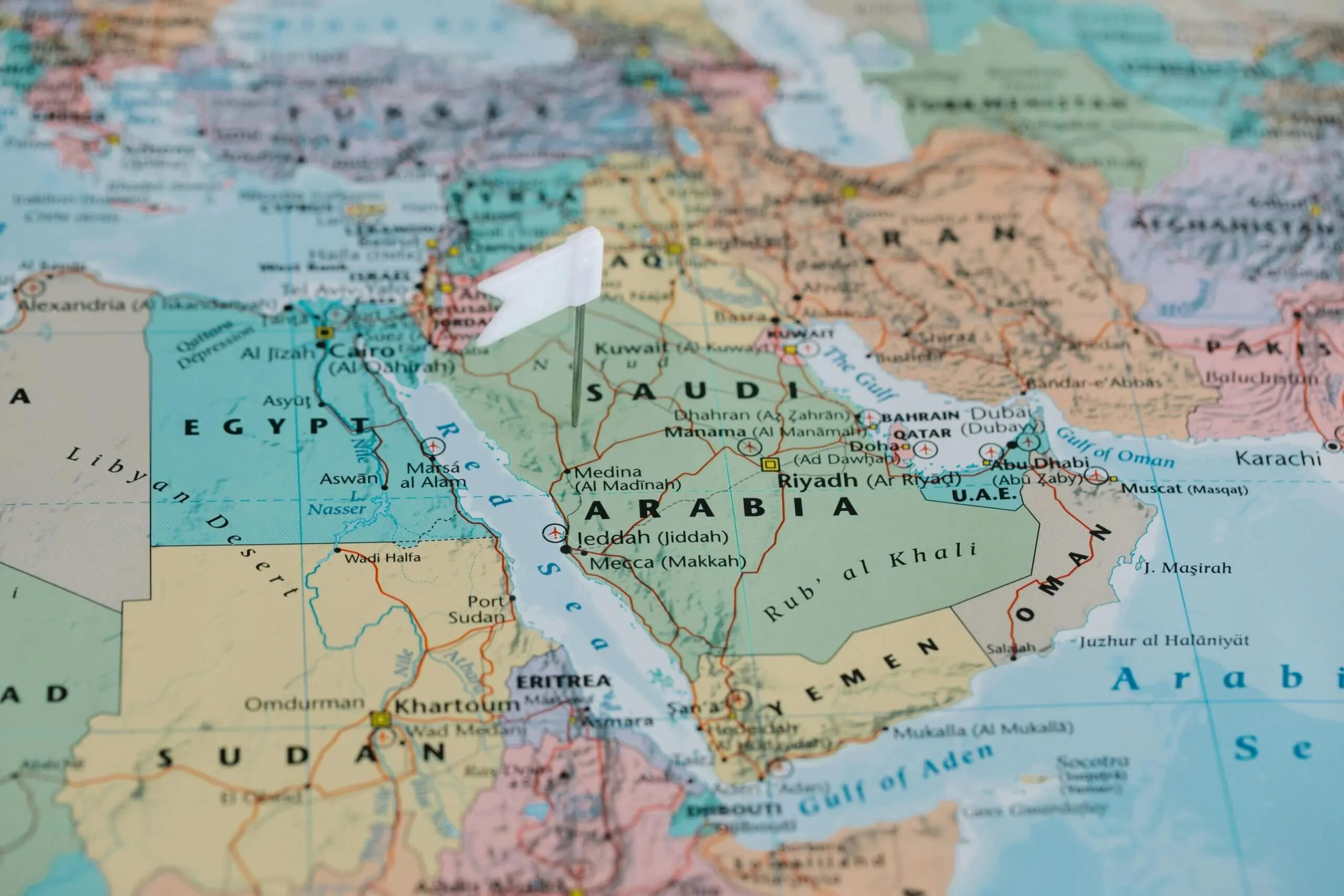
Hormuz spike, Cape of Good Hope diversions: April Middle East rate structure and what to do
Editor's note: By late April 2026, Middle East lanes are once again the global ocean-freight "storm center". Strait of Hormuz rates have hit their highest level since 2009, the Red Sea / Suez corridor remains unstable, and major carriers continue to apply the War Risk Surcharge (WRS), Peak Season Surcharge (PSS), and General Rate Increase (GRI). This article skips the geopolitical recap and focuses on what forwarder clients actually ask: rate structure, surcharge breakdown, and rebooking / rerouting / contract amendments.
1. Rate snapshot (as of late April 2026)
Based on the Shanghai Shipping Exchange SCFI weekly index, third-party industry data, and major carriers' public notices, key lanes look like this:
| Lane | April rate level (USD/TEU, ref.) | Recent move |
|---|---|---|
| Far East — Persian Gulf | ~ USD 4,167/TEU (Apr 10) | Six straight weeks up — highest since 2009 |
| Far East — Red Sea / Jeddah | Under upward pressure; many carriers limit bookings | Some loops suspended or rerouted via alternative hubs |
| Far East — Europe (via Cape of Good Hope) | Continues to climb on GRIs from early to late April | +10–14 days transit; per-box all-in cost up 30%–50% |
| Far East — Mediterranean | Aligned increases with stacked surcharges | Some carriers transship via Casablanca, Algeciras, etc. |
| Far East — North America | A new round of increases landed in early April | Reinforced by pre-tariff front-loading and capacity reshuffles |
Note: figures are public market references; actual booked rates depend on carrier quotes and space situation at the time of booking.
2. Surcharge breakdown: base rate is no longer the main driver
In April, the all-in cost on Middle East and adjacent lanes is mostly "FAK base + multiple surcharges". The most common items:
| Surcharge | Description | Reference amount |
|---|---|---|
| WRS — War Risk Surcharge | Applied to Red Sea, Persian Gulf, Gulf of Aden and other high-risk waters | ~ USD 1,500–4,000/box (varies by carrier) |
| PSS — Peak Season Surcharge | Layered on top of base rates; multiple lanes from April | ~ USD 250–1,000/box |
| GRI — General Rate Increase | Carrier-announced base rate increase | Up to USD 2,000/box on Europe lanes |
| EBS — Emergency Bunker Surcharge | Triggered when Cape diversions sharply raise fuel burn | Adjusted by lane and bunker prices |
| HWS — Heavy Weight Surcharge | Tiered fee for boxes above weight thresholds | By container type and lane |
| Transshipment / land-bridge fee | Some Persian Gulf cargo routed via Indian ports + truck/feeder | By destination and distance |
Tip: many clients only watch the headline FAK quote, but carriers can still add WRS / PSS / GRI later, citing "market changes". Pin down who bears each surcharge — and the change-notice window — directly in the booking contract.
3. Carrier round-up (April)
- Maersk: Most Red Sea services remain suspended; mainline Asia-Europe stays diverted via Cape of Good Hope. Far East — Mexico / South America West Coast lanes get a unified PSS of USD 250/box.
- MSC, CMA CGM: Only a small number of vessels still cross the Red Sea / Suez; most continue Cape diversions. Middle East services adjust dynamically based on security assessments.
- Hapag-Lloyd: WRS up to USD 1,500/TEU on selected lanes.
- COSCO Shipping Lines: On March 25, resumed standard-box new bookings to UAE, Saudi Arabia, Bahrain, Qatar, Kuwait, Iraq, Oman. The April 9 results call confirmed local cargo into Abu Dhabi and Jebel Ali stays stable.
- Feeder / regional carriers: Some Persian Gulf cargo is now routed via Mundra or Nhava Sheva (India) and trucked / feeder-shipped to intra-Gulf destinations.
4. Three typical scenarios: rebook, reroute, renegotiate
Scenario 1: Booked already, but the carrier adds WRS / PSS
- Immediately request the carrier's official written notice (effective date, applicable lane, amount).
- Reconcile against the original booking agreement (FAK and surcharge clauses). If the contract puts surcharges on the seller, use the notice to negotiate sharing or a price revision with the buyer.
- If costs become unworkable, options include: (i) delaying departure past the surcharge window; (ii) switching to a lower-cost transshipment hub; (iii) moving to another carrier's same-week sailing.
Scenario 2: Cargo for Persian Gulf / Red Sea while carriers suspend or limit bookings
- Reroute: Intra-Gulf cargo can transship at Mundra / Nhava Sheva (India) and continue by truck / feeder to Jebel Ali, Dammam, Bahrain, etc.
- Red Sea / Jeddah cargo: Consider hubs such as Casablanca (Morocco), Algeciras (Spain), or Port Said (Egypt, Suez side).
- Confirm with the buyer in writing the new destination port, B/L wording, and clearance agent to avoid demurrage at arrival.
Scenario 3: Europe / Med diversions cause schedule delays
- Average transit is now +10–14 days. Recalculate payment terms, inventory turns, and L/C validity windows.
- L/C clients should promptly request the issuing bank to amend the latest shipment date and negotiation period to avoid discrepancies.
- For CIF / CIP contracts, review whether the cargo policy covers war risk and strike risk.
- For time-sensitive samples or high-value cargo, consider a sea-air combined or pure air-freight contingency.
5. Five practical tips for forwarder clients
- Quote line by line: separate FAK, WRS, PSS, GRI, EBS, etc. — much harder to dispute later.
- Tighten contract terms: spell out who absorbs surcharges, with caps and notice windows. Long-term contracts should add a price-linkage mechanism.
- Multi-carrier backup: keep quotes and space with at least 2–3 carriers per destination so one suspension does not derail the lane.
- Buy proper insurance: for cargo via Persian Gulf, Red Sea, Gulf of Aden or Suez, add war risk and strike risk.
- Keep buyers informed: notify buyers in writing about delays, reroutes, and surcharges; keep emails and chat logs as evidence.
6. How Mighty International can help
With 26 years of operating at Qingdao Port, Mighty International maintains long-term space agreements with major carriers across the Middle East, Europe, Mediterranean, and North America trades. For the April 2026 Middle East volatility we can support clients with:
- Multi-carrier rate comparison and space lock-in on Persian Gulf, Red Sea, and Asia-Europe lanes.
- Reroute / rebooking / transshipment scheme design via India, North Africa, or Southern Europe hubs.
- Marine insurance configuration, including war and strike risk.
- Customs, certificate of origin, and L/C document support.
- Cash-flow, payment-term, and inventory modeling for Cape of Good Hope diversions.
7. References
- Shanghai Shipping Exchange — SCFI Shanghai Containerized Freight Index
- Xinde Marine News — Maritime headlines, April 19–20, 2026
- Xinhua Finance — Hormuz storm reshapes global routes and rates
- Industry analysis — 2026 ocean-freight shifts: rate surges and forwarder survival
- Earlier update from us — Middle East Shipping Crisis Update: Limited Hormuz Transit, Red Sea Risks Persist
Disclaimer: This article is for industry reference only and does not constitute a binding service commitment. Rates, routings, and surcharges are adjusted dynamically by individual carriers based on market and security assessments. Please refer to your actual booking quote and agreement.